
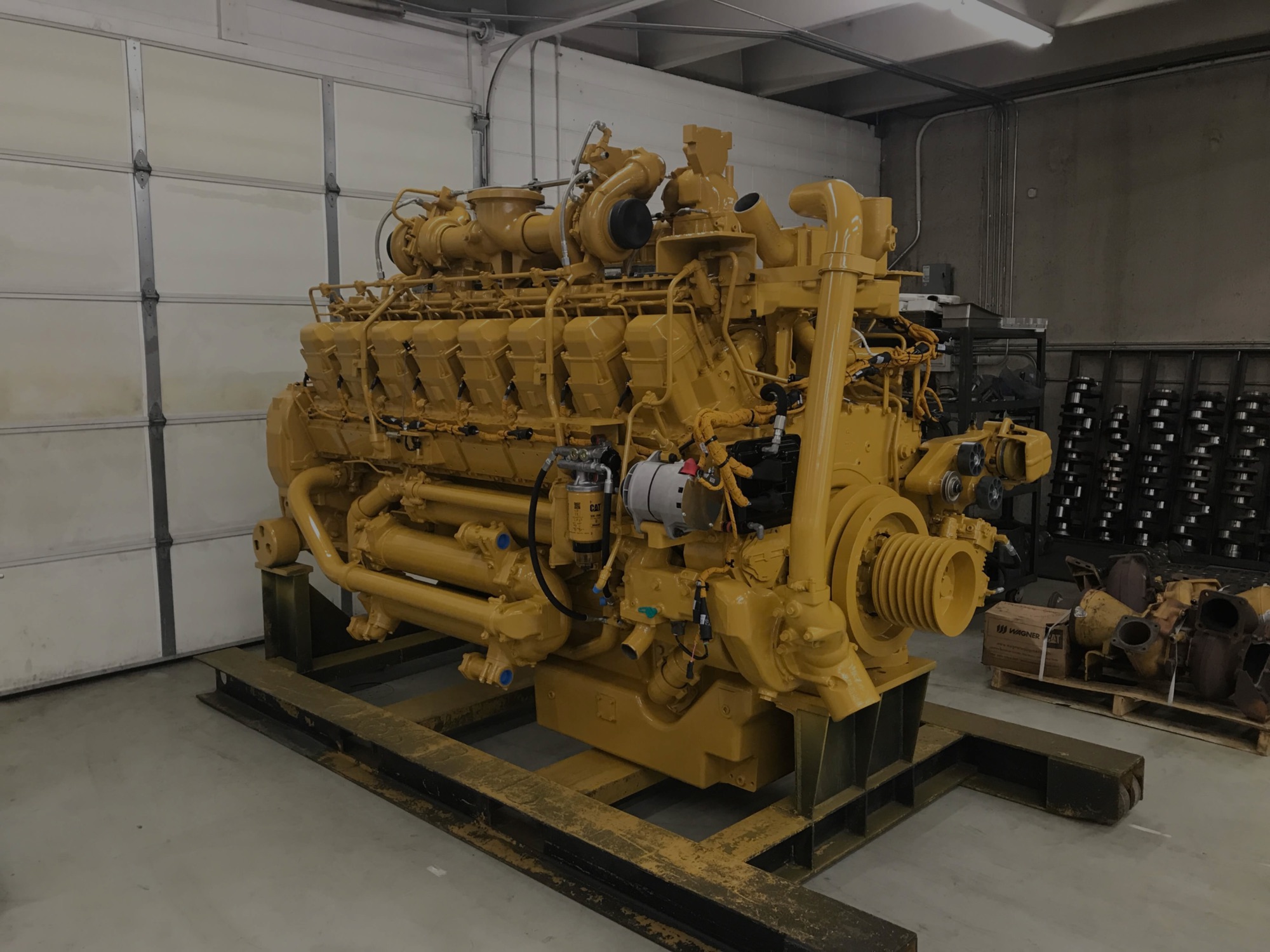
Scope note, because these two things get confused constantly: if you are looking for the large AC generator end of a generator set — Stamford, Leroy Somer, Marathon and similar — that is a different machine and a different job. It is covered in generator repair, including generator alternator rewinding. This page is engine-mounted charging alternators and dynamos only.
Charging fault or starting fault? Check this first
Half the alternators brought to us are not faulty. The battery is flat, the machine will not crank, and the alternator gets the blame. A flat battery on a diesel engine has three possible parents: the charging system, the starting system, or the batteries themselves.
- The alternator is charging but the battery still goes flat — parasitic drain, a battery at end of life, or a bad main earth
- The engine cranks slowly then not at all — that is a cranking-circuit question, and it belongs on starter motor repair rather than here
- The charge warning light stays on, or output is low — now you are in charging territory
Three measurements settle it, and any of them can be taken on the machine:
- Battery voltage engine off, then at rated speed. A healthy heavy-duty charging system holds the battery well above resting voltage under load. A charging output sitting at resting voltage means it is not charging.
- Voltage drop test. Measure between the alternator B+ stud and the battery positive post, and between the alternator case and battery negative, with the system loaded. Corroded cables and bad earths produce exactly the symptoms of a failed alternator, and cost far less to fix.
- AC ripple at B+. Excess AC ripple under load points at a failed diode in the rectifier or a fault in the stator, rather than at the regulator.
Doing those three before removing anything is the difference between a repair and a replaced part that did not need replacing. If you want us to do it on the machine, see on-site and in-situ repair.
What actually fails in a charging alternator
Diodes / rectifier pack. The rectifier converts the stator's AC output to DC. A single open diode gives reduced output and high ripple; a shorted diode drags the battery down when the engine is off and makes the alternator case run warm. Diode packs are a routine replacement item.
Voltage regulator. Controls field current to the rotor. Failed regulators give chronic undercharging, overcharging that boils batteries, or output that wanders. Cheap to replace, and it is often the whole fault.
Brushes and slip rings. Wear item. Worn brushes give intermittent or falling output; scored slip rings can be machined true and dressed.
Bearings. Belt tension, heat and vibration kill front bearings first. A noisy alternator is usually a bearing, and running it to destruction takes the rotor and stator with it.
Stator windings. Insulation breakdown from heat, oil contamination or overload. Shorted turns, open phases and earth faults. This is where rewinding comes in.
Rotor / field winding. Open or shorted field winding, or damaged slip ring connections.
Pulley, drive and mounting. Slipping belts, a failed overrunning pulley, cracked mounting feet, and worn drive splines on gear-driven units.
The process on the bench
- Incoming test. Unit tested as received to confirm the fault before it is stripped.
- Strip. Complete disassembly and cleaning.
- Electrical testing. Stator continuity and resistance across phases, earth fault test, insulation resistance test, diode testing in both directions, rotor field winding resistance and insulation, regulator function.
- Mechanical inspection. Bearing condition, slip ring wear and runout, shaft condition, housing bores, pulley and drive.
- Repair. Diode pack, regulator, brushes and bearings replaced as required. Slip rings machined true on our own machines — a scored slip ring is a lathe job, not a reason to condemn a rotor. Windings rewound in our rewinding bay where the core is sound.
- Reassembly and bench test. Output voltage and current under load, regulation checked, run for noise and vibration.
The last step is the one that separates a repair from a hopeful reassembly. A unit that has not been run up under load has not been proved, and an alternator that fails a second time on the machine costs far more than the bench time it would have taken to catch it here.
Makes and applications
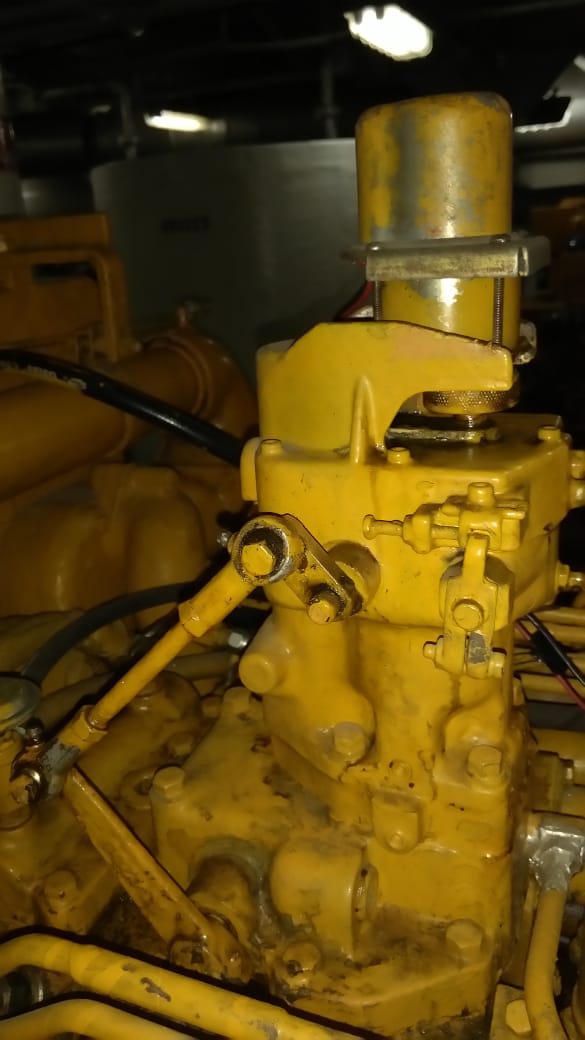
Charging alternators and dynamos off marine main and auxiliary engines, generator set engines, fire pump engines, trucks, buses, excavators, loaders and industrial diesels. Common makes on these engines include Bosch, Delco Remy, Prestolite, Valeo, Lucas, Mitsubishi, Denso and Iskra. Send the data plate photograph with your enquiry and you will know before the unit travels whether it is one we take.
We also repair and rewind industrial electric motors. Same bay, same winding and testing capability, different machine.
Repair or replace
For a heavy-duty 24V alternator, repair is usually the better buy: diodes, regulator, brushes and bearings are inexpensive relative to a new unit, and the housings and rotor typically outlive several sets of them. Repair also wins hard when the unit is on an older engine and the replacement is a long-lead import.
Replacement is the better call when the stator core is damaged, the shaft or housing is beyond repair, or the unit is a current cheap part sitting on a shelf locally and the machine is losing money by the hour.
Which of those you are looking at is a test result, not a judgement: winding resistance and insulation readings, diode tests, slip ring runout and bearing condition. Bring the unit in, have it tested, and take the decision on the readings — the test is a small fraction of either outcome.